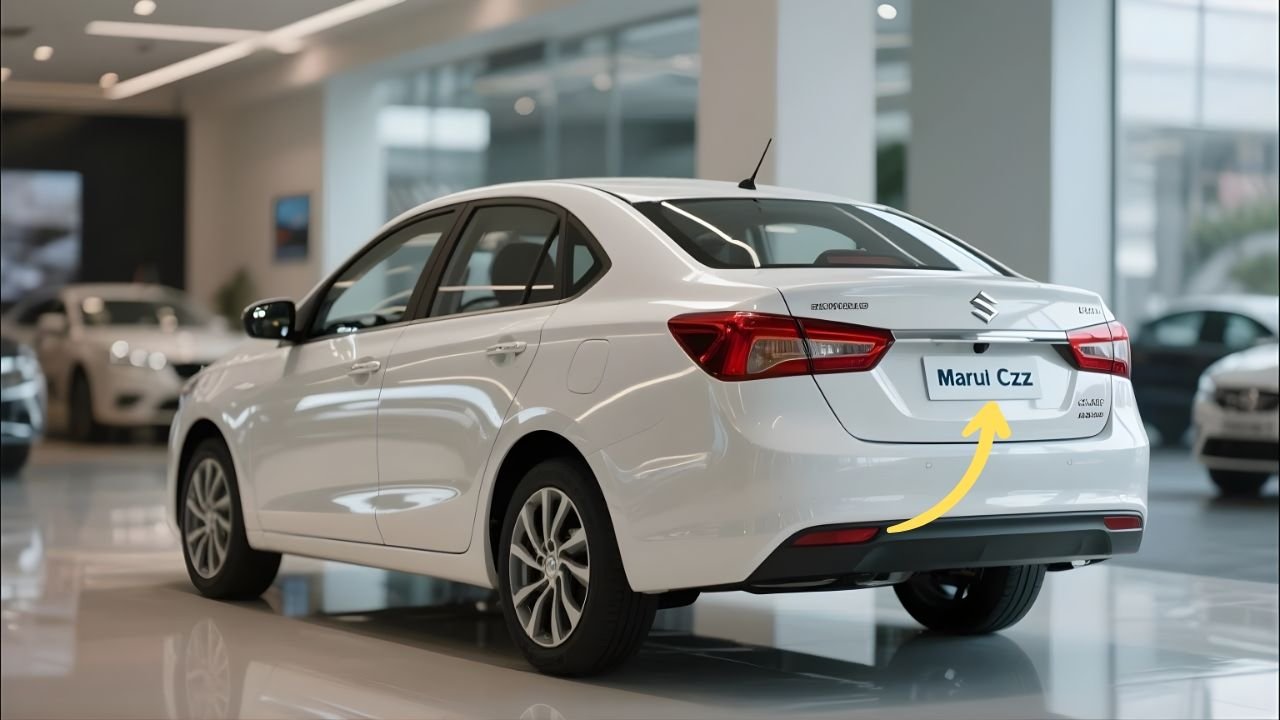
The Maruti Suzuki Ciaz was once the crown jewel of Maruti’s midsize sedan portfolio, offering a blend of luxury, refinement, and efficiency. When I first drove the Ciaz back in 2015, it was an immediate standout in a market dominated by sportier, flashier competitors. The Ciaz provided a breath of fresh air—spacious, elegantly designed, and a joy to drive, especially for families seeking comfort.
Now, as we step into 2026, the Ciaz’s future seems uncertain, with murmurs of its discontinuation growing louder. The sedan market, once a stronghold for cars like the Honda City and Hyundai Verna, has rapidly given way to the growing demand for SUVs. Despite the changing landscape, the Ciaz continues to be remembered as one of Maruti’s most successful sedans, and its legacy is worth revisiting before it potentially fades into automotive history.
A Storied Legacy in a Changing Market

Launched in 2014, the Maruti Suzuki Ciaz replaced the SX4 and quickly carved a niche for itself in India’s midsize sedan market. The Ciaz was an immediate hit, thanks to its premium design, spacious cabin, and competitive pricing, starting at around ₹9 lakh ex-showroom. For a time, it even outsold its rivals, such as the Honda City and Hyundai Verna, crossing over 2.7 lakh sales in just five years.
What made the Ciaz particularly attractive was its blend of luxury and practicality. It provided the premium feel of a high-end sedan at an accessible price point, a combination that appealed to families and those looking for a comfortable daily driver. However, over the years, the sedan segment in India has been in a steady decline, from 20% of the car market in 2015 to less than 10% by 2024, with SUVs claiming more than 50% of the market share. As a result, the Ciaz has felt the pressure, with sales slowing significantly, especially in 2024.
By late 2024, monthly sales had dipped to alarmingly low levels, with just 464 units sold in December of that year. Production was reportedly halted by March 2025, and sales are expected to wind down by April 2025, although Maruti Suzuki has denied early rumors about its discontinuation.
What Made the Ciaz Tick?

At its core, the Maruti Ciaz was designed to deliver an effortless driving experience. Powered by a 1.5-litre K15 petrol engine, the Ciaz generated 105PS of power, making it a competent performer on both city streets and highways. ARAI rated the petrol manual at an impressive 20.65 kmpl, with real-world figures not too far behind. Automatic variants, equipped with a 4-speed torque converter, also offered around 20 kmpl, making the Ciaz a highly fuel-efficient option for highway cruisers.
One of the key selling points of the Ciaz was its spaciousness. The rear seat, in particular, was a highlight, with limo-like legroom that made it ideal for long journeys. Its 510-litre boot was one of the largest in the segment, capable of swallowing multiple suitcases or bags, further cementing its status as a practical family sedan.
The Ciaz wasn’t just about space—it also evolved with the times. Facelifts brought in features such as LED headlights, a sharper grille, and mild-hybrid technology aimed at enhancing fuel efficiency. Higher trims like the Alpha boasted leather upholstery, a touchscreen infotainment system with navigation, cruise control, and even ventilated front seats in later iterations.

While the Ciaz didn’t offer the turbocharged performance or advanced tech features seen in rivals like the Hyundai Verna or the Volkswagen Virtus, it excelled in areas that mattered most to its target audience: comfort, reliability, and fuel economy.
The Slump: Diesel Exit and SUV Tsunami
By 2020, the Ciaz faced a significant setback with the removal of the diesel engine from the lineup, following the shift to BS6 emission standards. Diesel variants had accounted for around 30% of the Ciaz’s total sales, and their removal led to a noticeable decline in demand. With no major updates since 2018—no digital clusters, no sunroof options—the Ciaz began to look outdated compared to newer rivals like the turbocharged Hyundai Verna or feature-packed Skoda Slavia.
Sales plummeted as buyers increasingly turned to SUVs, which offered higher driving positions, more rugged appeal, and advanced tech. During the fiscal year 2025, Ciaz sales dropped by a staggering 34%, with just under 6,000 units sold in the first nine months. By July 2025, the Ciaz was down to only 173 units sold in a single month, and Maruti Suzuki was forced to offer significant discounts—up to ₹45,000—to clear out stock.
Rivals Pull Ahead in a Sedan Graveyard
In today’s market, the Ciaz faces tough competition from a new breed of sedans. The Hyundai Verna, for example, offers turbocharged powertrains and advanced tech like wireless charging, while the Honda City Hybrid delivers superior fuel efficiency for highway drives. The Volkswagen Virtus and Skoda Slavia, with their 1.5 TSI engines and segment-best safety features, have further eroded the Ciaz’s position.
These rivals offer superior tech features, such as digital instrument clusters, more advanced infotainment systems, and better crash safety ratings. The Ciaz’s outdated infotainment system, coupled with its lack of modern safety tech like ADAS, made it harder to compete in a rapidly evolving segment.
However, no rival has matched the Ciaz’s rear seat space, and it continues to offer great value for those prioritizing comfort over cutting-edge features.
Final Days: Discounts and Dealer Stock
As we enter 2026, the remaining Ciaz stock at Nexa dealerships is being sold with hefty incentives—some dealerships are offering discounts of up to ₹2 lakh. Prices for base Sigma trims can be had for under ₹9 lakh on-road, making it a tempting option for buyers on a budget. Maruti’s reputation for reliability and low running costs—₹3-4 per km—remains a significant draw.
Despite its dwindling sales, the Ciaz has earned a loyal following. Many owners have reported minimal issues even after clocking over 1 lakh km. Resale values remain relatively strong, with the car holding 60-70% of its value after three years.
Maruti Ciaz: What’s Next for Maruti and Sedan Lovers?
As Maruti Suzuki continues to focus its efforts on SUVs like the Vitara and the upcoming electric e-Vitara, the future of the Ciaz and the sedan segment in general seems uncertain. Maruti is not expected to launch a direct successor to the Ciaz, although some speculate that the Ciaz nameplate may be revived in the form of a crossover, much like the Baleno’s evolution into the Fronx.
For those who still love sedans, used Ciaz models under ₹5 lakh present an unbeatable value proposition. While the departure of the Ciaz marks the end of an era for Maruti’s midsize sedans, it also reflects the shift in India’s automotive landscape, where SUVs dominate and sedans are becoming increasingly rare.
For now, if you’re looking for a comfortable, reliable sedan with great space and solid performance, the Ciaz remains a compelling choice—just be quick, as inventories continue to dwindle. Despite the growing dominance of high-riding crossovers, the Ciaz’s plush ride and cavernous rear seat will surely be missed.